Planning a Graveside Service: Logistics, Etiquette, and Comfort Considerations
A graveside service offers families an intimate and meaningful way to say goodbye to a loved one.
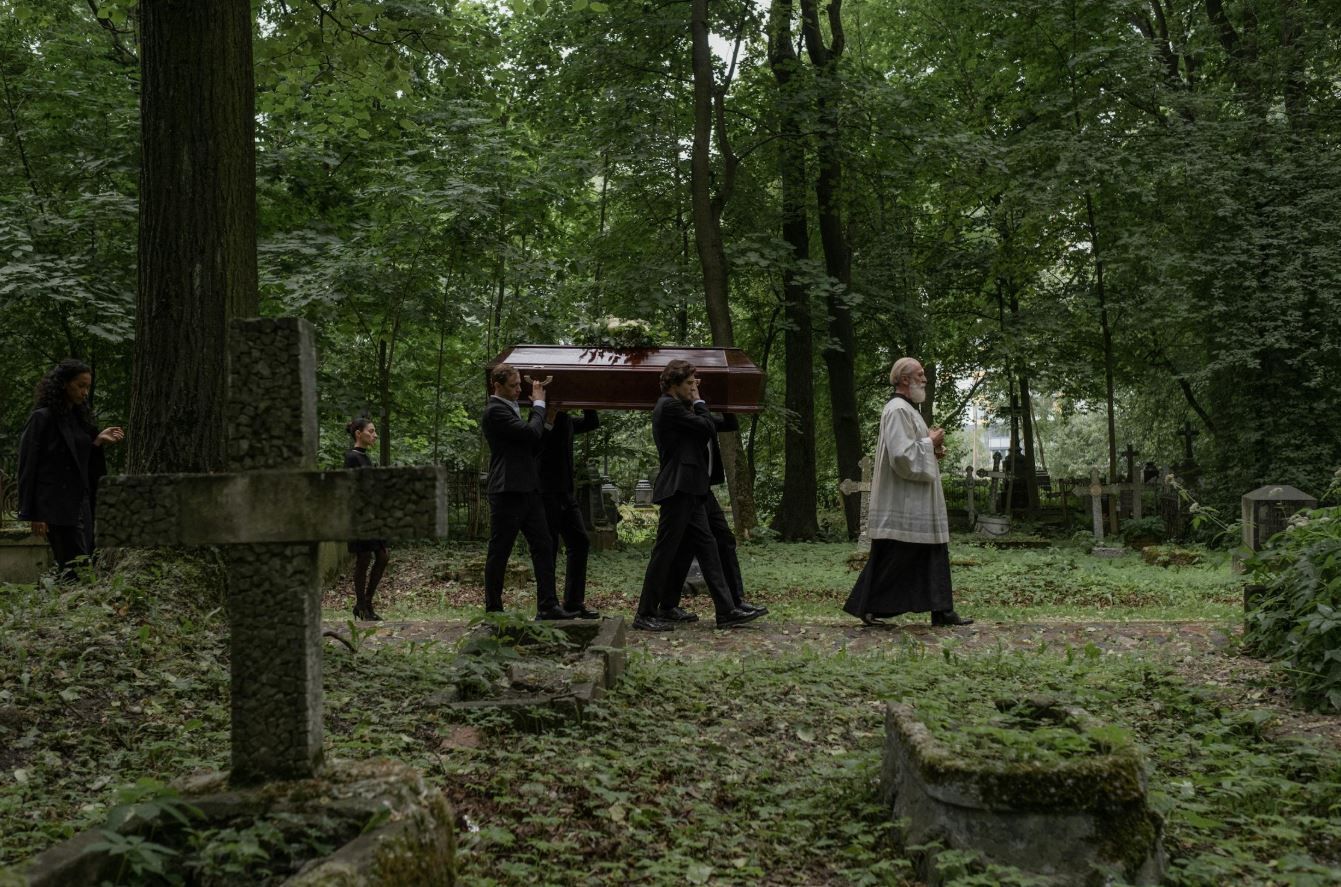
Whether held as a standalone ceremony or following a traditional funeral, a graveside service provides a dedicated time for reflection, remembrance, and final farewells at the place where a loved one will be laid to rest.
While graveside services are often simpler in format than larger memorial gatherings, thoughtful planning is still important. From coordinating logistics to ensuring guests are comfortable, careful preparation can help create a respectful and meaningful experience for everyone in attendance.
For families in Chambersburg and throughout Franklin County, understanding the practical and emotional aspects of a graveside service can make the planning process feel less overwhelming during an already difficult time.
Understanding the Purpose of a Graveside Service
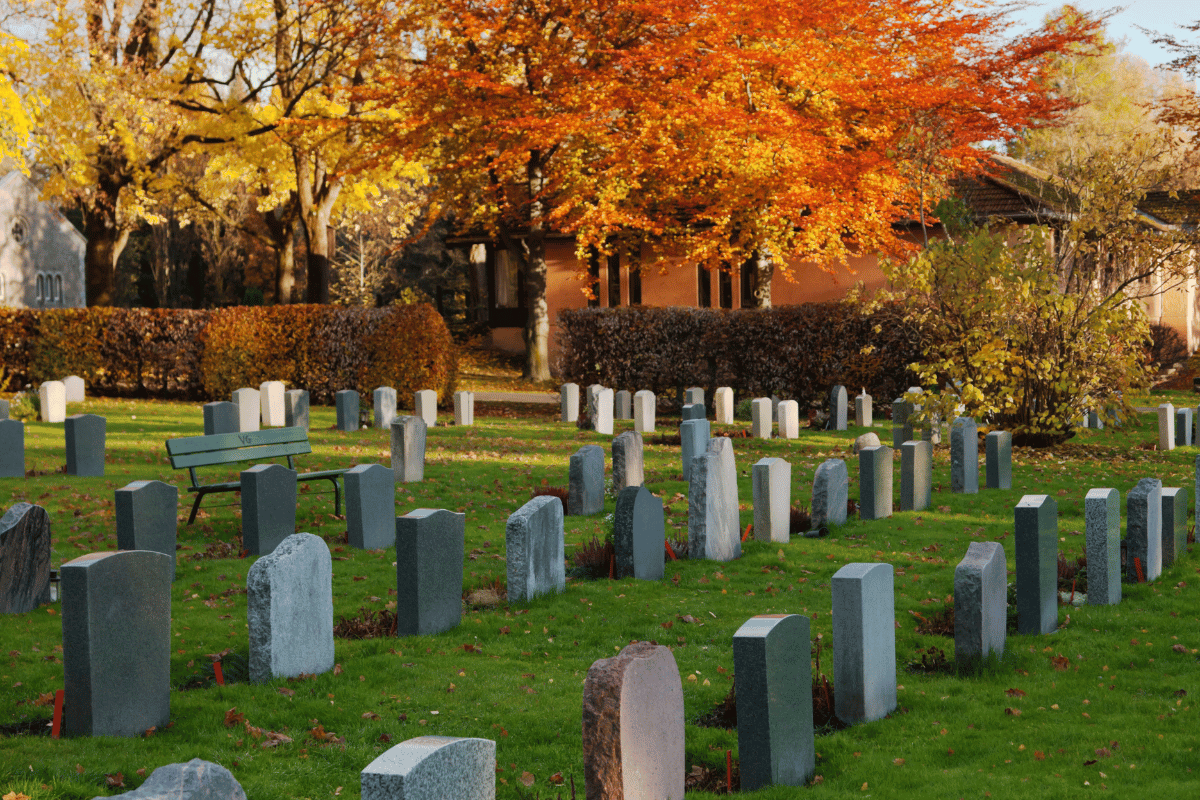
A graveside service takes place at the cemetery and typically centers around final words of remembrance, prayers, readings, or personal reflections. Some families choose a graveside ceremony because they appreciate its simplicity and intimate atmosphere, while others incorporate it as the concluding portion of a larger funeral service.
The setting often encourages quiet reflection and allows family members and friends to gather close together during an important moment of farewell. Because the service takes place at the burial site, many families find it provides a sense of closure and connection.
Whether the ceremony is traditional, religious, or highly personalized, the focus remains on honoring the life and memory of the individual being remembered.
Coordinating the Logistics
One of the most important aspects of planning a graveside service is coordinating the logistical details in advance. Working with experienced funeral professionals can help ensure everything proceeds smoothly on the day of the service.
Key considerations often include:
- Confirming the cemetery location and burial arrangements
- Coordinating transportation for family members and guests
- Determining the order of service
- Arranging seating if needed
- Ensuring accessibility for elderly guests or those with mobility concerns
Funeral directors can help manage these details while guiding timing and cemetery requirements. Families choosing traditional funeral services often benefit from professional coordination that helps ease the burden during a challenging time.
Choosing Meaningful Elements for the Service
Although graveside services are often more concise than funeral ceremonies, there are still many opportunities for personalization.
Families may choose to include:
- Religious readings or prayers
- Personal tributes from family members
- Favorite poems or meaningful passages
- Special music selections
- Military honors for veterans
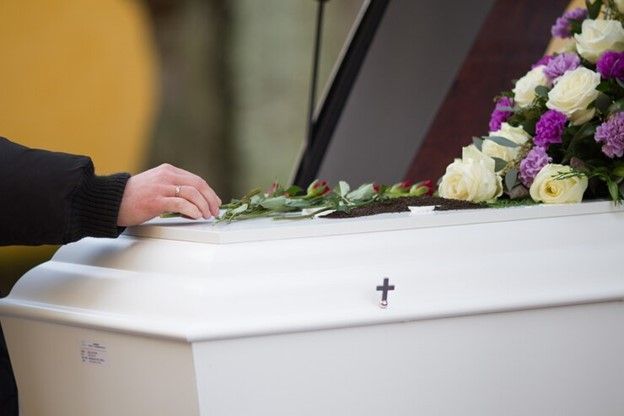
- Symbolic gestures such as flower placement or memorial keepsakes
Personal touches can help create a ceremony that reflects the unique personality, values, and life story of the deceased.
For those seeking a more customized experience, personalization options can help families incorporate meaningful details that make the service especially memorable.
Preparing Guests for the Environment
Unlike indoor services, graveside ceremonies are influenced by weather and outdoor conditions. Preparing guests ahead of time can improve comfort and help everyone focus on the purpose of the gathering.
When notifying attendees, consider guiding them regarding:
- Weather-appropriate clothing
- Comfortable footwear for uneven ground
- Availability of seating
- Parking arrangements
- Estimated service duration
If the service will occur during warmer months, providing water, shade, or handheld fans may be appreciated. During colder seasons, families may consider offering blankets or advising guests to dress in layers.
These small considerations can make a significant difference in ensuring guests feel supported and comfortable throughout the ceremony.
Understanding Graveside Service Etiquette
Many people attend graveside services infrequently and may feel uncertain about proper etiquette. Fortunately, expectations are generally straightforward and centered on respect.
Guests should arrive on time, silence their electronic devices, and follow any instructions provided by the funeral director or officiant. During the service, it is customary to remain attentive and allow space for moments of reflection.
When offering condolences, simple and sincere expressions of sympathy are often most meaningful. Families typically appreciate kindness and presence more than finding the perfect words.
Children are generally welcome at graveside services as well. Depending on their age, it may be helpful to explain what to expect beforehand so they feel comfortable and prepared.
Incorporating Military or Veteran Honors
For families honoring a veteran, graveside services often provide an appropriate setting for military honors. These tributes may include ceremonial flag presentations, the playing of Taps, or other formal recognitions of military service.
Such moments can be especially meaningful for families and attendees, acknowledging both personal and national service.
Families interested in honoring military service can explore veterans services to better understand available benefits and tribute options.
Balancing Simplicity and Meaning
One of the strengths of a graveside service is its simplicity. Families do not need elaborate arrangements to create a meaningful farewell. Often, the most memorable moments come from heartfelt words, shared memories, and the presence of loved ones gathered together.
Some families prefer a quiet, private ceremony attended only by immediate family members. Others choose a larger gathering that includes friends, colleagues, and community members. Neither approach is right or wrong.
The most important consideration is creating an experience that feels authentic and meaningful to those involved.
Supporting Family Members During the Service
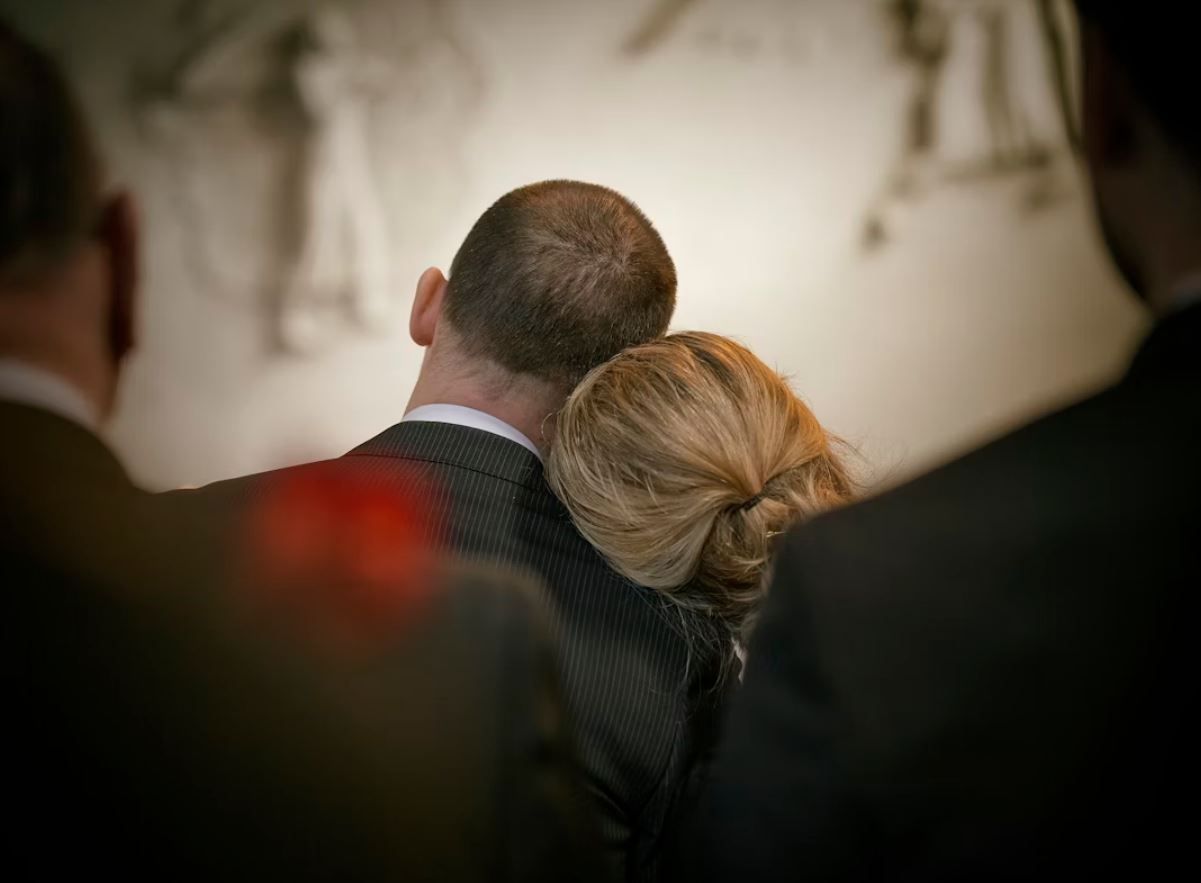
The burial process can be emotionally difficult, particularly for close family members. It is important to recognize that grief may feel especially intense during a graveside ceremony because it often represents a final physical farewell.
Families may find comfort in assigning supportive roles to trusted relatives or friends who can assist with practical needs, offer emotional support, or help guide elderly family members through the event.
For those making arrangements shortly after a loss, resources such as immediate funeral planning assistance can help families navigate important decisions with confidence and care.
Creating a Meaningful Final Tribute
A graveside service provides a unique opportunity to gather in remembrance, honor a life, and offer a final farewell in a setting dedicated to reflection and peace. Through thoughtful planning, attention to guest comfort, and meaningful personal touches, families can create a ceremony that feels both respectful and deeply personal.
While the day may be difficult, it can also provide comfort, closure, and a lasting sense of connection. By focusing on what mattered most to your loved one, a graveside service becomes more than a ceremony—it becomes a meaningful tribute to a life well lived.
If you would like guidance in planning a graveside service or exploring memorial options, or to speak with someone who can help you navigate the planning process. Thoughtful guidance can help ensure every detail reflects the life and legacy of your loved one.