Understanding Cremation vs. Traditional Burial: What Every Family Should Know
When it comes to honoring a loved one's memory, families in Chambersburg face important decisions about final arrangements. The choice between cremation and traditional burial is deeply personal, and there's no one-size-fits-all answer. At Thomas L. Geisel Funeral Home & Cremation Center, we've walked alongside countless families through this decision-making process, and we understand that having clear, compassionate information makes all the difference.
Whether you're planning ahead for yourself or making arrangements for a loved one who has recently passed, understanding the key differences between cremation and traditional burial can help you make a choice that feels right for your family, your beliefs, and your circumstances.
The Fundamental Differences
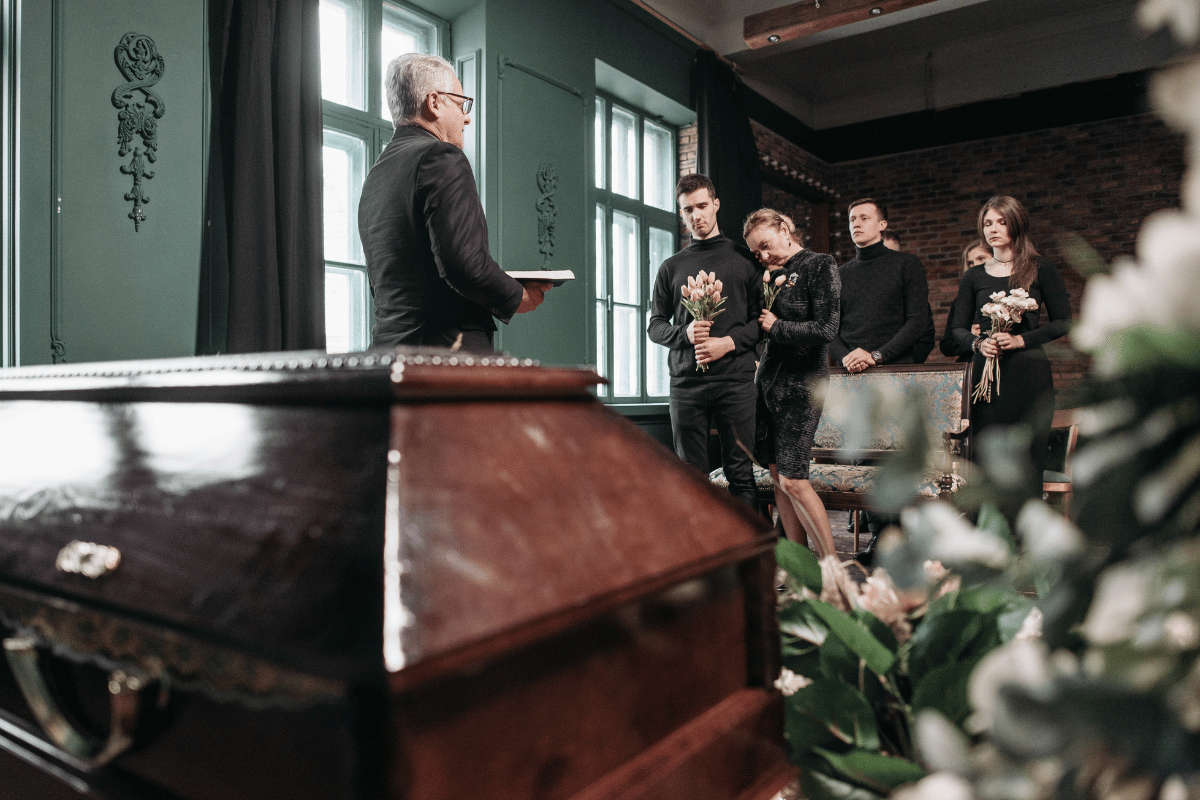
Let's start with the basics. Traditional burial involves preparing the body through embalming, followed by a viewing or visitation, a funeral service, and interment in a cemetery plot with a casket. It's a process that's been honored for generations and offers families a familiar framework for saying goodbye.
Cremation, on the other hand, involves reducing the body to ash through a high-temperature process. This can happen before or after a funeral service, and families have the flexibility to hold a memorial service at any time that works for them. The cremated remains (often called "ashes" or "cremains") can then be kept in an urn, scattered in a meaningful location, buried, or even incorporated into memorial keepsakes.
Both options allow families to create meaningful tributes and gather together to remember their loved one—they simply follow different paths to get there.
Cost Comparison: What to Expect
Let's be honest about something many families worry about but hesitate to ask: what do these options actually cost?
Traditional burial typically represents a larger financial investment. You're looking at expenses that include the casket (which can range from a few hundred to several thousand dollars), embalming and other preparation services, use of the funeral home facilities for viewing and services, cemetery plot purchase, grave opening and closing fees, and a burial vault or grave liner (required by most cemeteries). When you add it all up, traditional burials often range from $7,000 to $12,000 or more, depending on the choices you make.
Cremation generally costs less, though that doesn't mean it's without dignity or significance. The typical expenses include the cremation process itself, a basic cremation container or casket, death certificate processing, an urn for the cremated remains, and any memorial service arrangements you choose. Many families find they can arrange a meaningful cremation service for $2,000 to $5,000, though costs can be higher if you opt for additional services like a viewing or elaborate memorial gathering.
It's worth noting that cremation still allows for all the traditional elements of a funeral service if your family wants them. You can absolutely have a viewing, a full funeral service, and even purchase a cemetery plot for the urn if that feels meaningful to you. The difference is that these elements become choices rather than requirements.
At Thomas L. Geisel Funeral Home & Cremation Center, we believe in transparent pricing and helping families understand all their options without feeling pressured. Our on-site cremation services right here in Chambersburg mean we can offer families both peace of mind about where their loved one is cared for and often more flexible pricing options.
Environmental Considerations
More families today are thinking about the environmental impact of their final arrangements. It's a thoughtful consideration, and the answer isn't as straightforward as you might think.
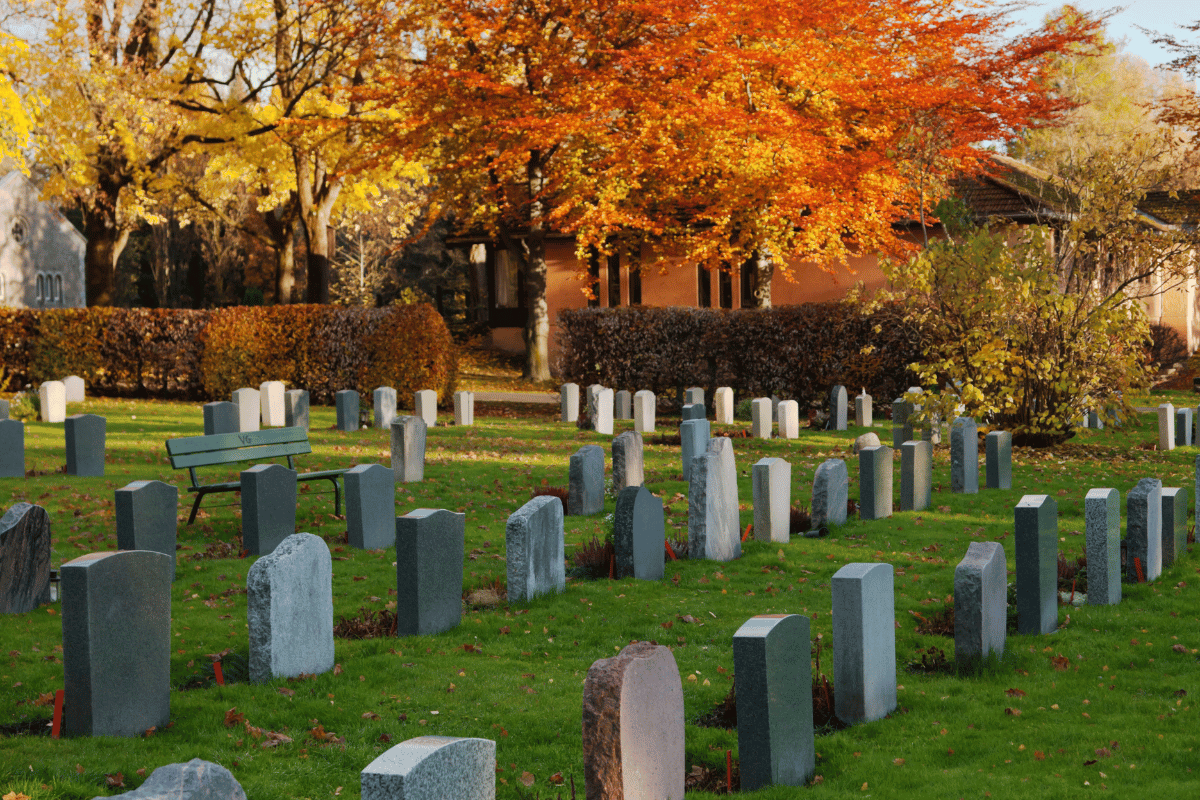
Traditional burial has environmental factors worth considering. Modern embalming uses chemicals like formaldehyde, which some families prefer to avoid. Caskets, especially metal ones, take hundreds of years to decompose. Burial vaults, while protecting the grave from settling, also mean these materials remain in the ground indefinitely. On the flip side, cemeteries do preserve green spaces in communities and can provide important ecological benefits when properly maintained.
Cremation uses significant energy—typically natural gas or propane—to reach the temperatures needed (around 1,400 to 1,800 degrees Fahrenheit). This process does create carbon emissions, similar to a 500-mile car trip. However, cremation doesn't require burial plots, preserving land for other uses, and avoids embalming chemicals entirely.
If environmental impact is important to you, both cremation and burial now offer greener alternatives. Green burial options skip embalming, use biodegradable caskets or shrouds, and often take place in natural burial grounds. Water cremation (alkaline hydrolysis) is an emerging option that uses less energy than traditional cremation. Burial at sea is another option for cremated remains in some areas.
The most environmentally conscious choice ultimately depends on what specific practices you choose within either cremation or burial.
Religious and Cultural Perspectives
Your faith or cultural background might significantly influence which option feels right for your family. It's important to honor these beliefs while also recognizing that interpretations can vary even within the same faith tradition.
Many Christian denominations accept both cremation and burial, though practices vary widely. The Catholic Church now permits cremation but prefers that remains be interred rather than scattered. Some Protestant denominations have no preference. Orthodox Christianity traditionally favors burial.
In the Jewish faith, traditional Jewish law (Halakha) requires burial and prohibits cremation. However, Reform Jewish communities may be more accepting of cremation.
Islamic tradition requires burial, typically within 24 hours of death, with the body facing Mecca. Cremation is generally prohibited.
Hindu and Buddhist traditions typically prefer cremation, seeing it as part of the spiritual journey of the soul.
If religion is important to you, we encourage you to speak with your spiritual advisor. Many families find that personal conversations with their clergy or religious leaders help them navigate both the theological aspects and the practical realities of their situation.
At our funeral home, we've worked with families from all faith backgrounds and can help you arrange services that honor your traditions, whether that involves specific timing, ritual washing, particular prayer services, or other religious customs.
Flexibility and Personalization
One of the most significant differences between cremation and traditional burial is the flexibility each offers.
Traditional burial follows a more structured timeline. Because the body needs to be prepared and interred relatively quickly, families typically hold services within a few days to a week after death. This can be both a blessing and a challenge—it provides structure during a difficult time, but it can also feel rushed, especially if family members need to travel from out of town or if you're waiting on military honors or other special arrangements.
Cremation offers remarkable flexibility in timing. After cremation, families can hold memorial services weeks or even months later, allowing time for everyone to gather, plan a more personalized celebration, or wait for better weather if an outdoor gathering is planned. Some families hold multiple memorial services in different locations for far-flung family and friends. Others appreciate the time to create truly personalized tributes without the pressure of quick decision-making.
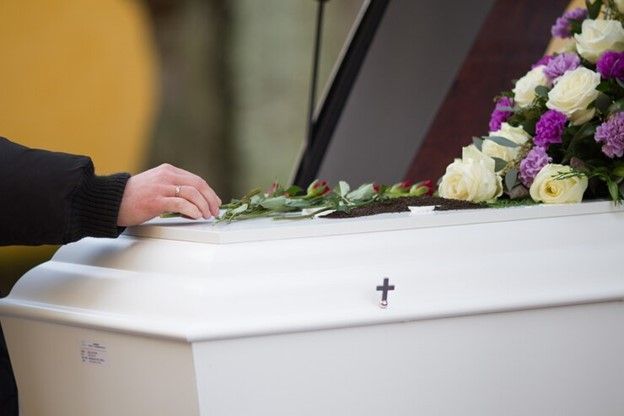
Both options offer wonderful opportunities for personalization. With traditional burial, you can personalize the casket, design meaningful floral arrangements, create custom memorial cards, choose readings and music that reflect your loved one's personality, and arrange for special tributes like military honors, bagpipers, or dove releases.
With cremation, personalization options include unique urns that reflect hobbies or interests, memorial jewelry containing a small amount of cremated remains, scattering ceremonies in meaningful locations, creative remembrance options like memorial reefs or fireworks, and the ability to divide remains among family members if desired.
We've helped families create incredibly meaningful tributes with both cremation and traditional burial. One family held a traditional funeral service followed by cremation and then scattered their loved one's ashes at every national park they had visited together. Another family chose burial but personalized the service with a classic car processional honoring their father's lifelong passion for vintage automobiles.
Making the Right Choice for Your Family
So how do you actually decide? Here are some questions that often help families find clarity:
What would your loved one have wanted? If they expressed preferences during their lifetime, that's often the most important factor.
What do your religious or cultural traditions call for? These can provide meaningful guidance and comfort.
What's your budget for final arrangements? Being realistic about finances isn't disrespectful—it's practical and necessary.
Do you want a permanent place to visit? Some families find great comfort in having a specific grave to visit, while others prefer the flexibility of cremation.
Where do your family members live? If they're scattered across the country, cremation's flexibility might ease the logistics.
How important is environmental impact to you? This can help guide specific choices within either option.
What feels right in your gut? Sometimes, when you've weighed all the factors, one option simply feels more appropriate for your family.
Remember, there's no wrong answer here. Both cremation and traditional burial can be beautiful, dignified, and meaningful ways to honor someone's memory.
How We Can Help
At Thomas L. Geisel Funeral Home & Cremation Center, we've been serving Chambersburg families since 1983, and we understand that every family's needs are unique. Our 13,000-square-foot facility includes our beautiful chapel with stained glass windows, and importantly, we have on-site cremation services right here in Chambersburg. For many families, knowing their loved one is cared for locally, without being transported to a distant facility, provides significant peace of mind.
Whether you're leaning toward cremation, traditional burial, or you're still weighing your options, we're here to walk alongside you. We'll explain all your choices without pressure, help you understand pricing clearly, work within your budget to create meaningful arrangements, honor your cultural and religious traditions, and support you through every step of the planning process.
We also encourage families to consider pre-planning, which takes the pressure off loved ones during an already emotional time and ensures your wishes are clearly documented. We offer advance planning services that let you make these decisions on your own timeline, with the freedom to think things through carefully.
You don't have to make these decisions alone. Our experienced, compassionate staff is available 24 hours a day, 7 days a week. Give us a call at (717) 264-6416, or stop by our location at 333 Falling Spring Road in Chambersburg. We're here to answer your questions, address your concerns, and help you create a tribute that truly honors your loved one's memory—whether that involves cremation, traditional burial, or a combination of elements that's uniquely meaningful to your family.
Because at the end of the day, what matters most isn't whether you choose cremation or burial. What matters is that you've created a farewell that brings your family together, honors the person you've lost, and provides a foundation for healing as you navigate your grief journey together.